Starting to See Results in Gym. Getting Lazy Again
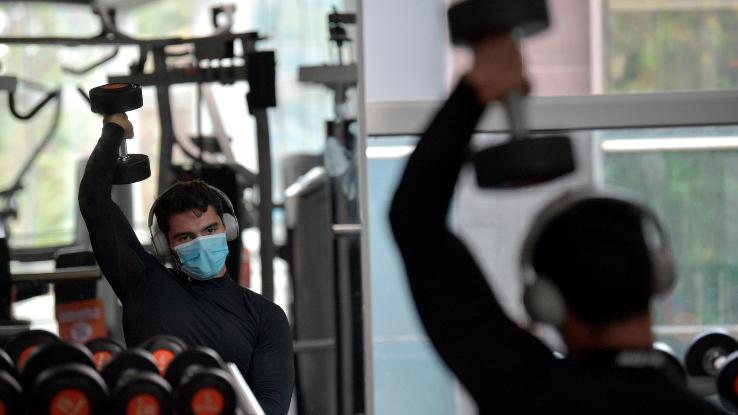
When the COVID-xix pandemic broke out in the early months of 2020, traditional fitness facilities were among the first to take a hit. With condom precautions — like social distancing and shelter-in-place directives — sweeping the country, many gyms saw an overnight plunge in membership. While some do facilities were able to come up with creative ways to remain relevant during the pandemic, others were forced to shutter for good. COVID-19 vaccines accept allowed many gyms to partially or even fully reopen. However, many fitness enthusiasts have as well adjusted to calm workouts and virtual exercise classes. The COVID-nineteen pandemic has irreversibly inverse the world of fitness – both for the better and for the worse.
Fettle in the Age of COVID-xix
States tackle closures and stay-at-home regulations on a case-past-case basis, so it can be difficult to paint a wide-stroke motion picture of what fitness in the U.S. looks similar amidst the pandemic. Some gyms take been forced to close down completely, while others have reopened with strict guidelines in place. Most, however, accept fallen somewhere between these two extremes — reopening briefly, but to close their doors yet again whenever COVID-19 cases surge.
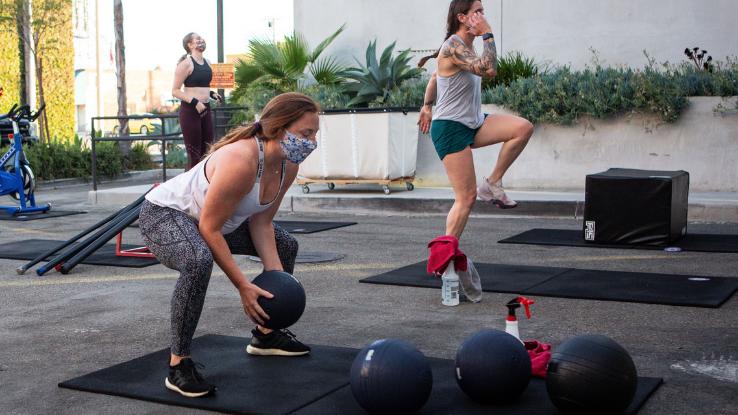
Gym owners must rethink and restructure their business practices to retain members during a global crunch. Can't go inside to employ the equipment? Some gyms, especially those in warmer climates like Los Angeles, California, will migrate dumbbells and exercise bikes exterior, setting upwards ad hoc fitness centers in parking lots, parks, and on sidewalks.
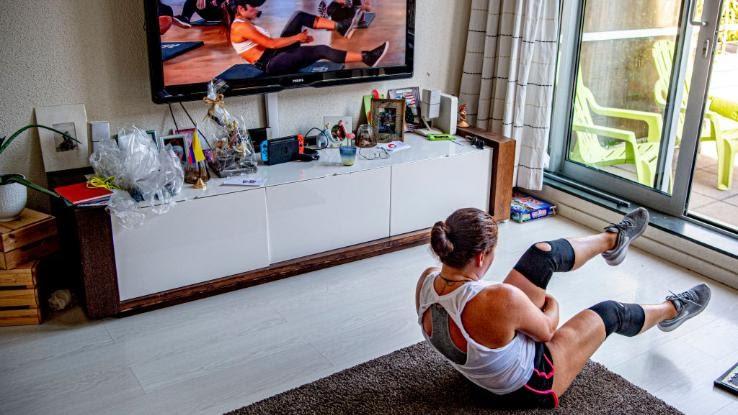
Other gym owners will utilize Zoom to offer virtual classes and, in some cases, equipment rentals. You can stream classes from traditional gyms, like Crunch, sign up for monthly yoga and pilates classes, or even acquire a new martial art from the comfort of your own abode. It'south probable that these practices will persist fifty-fifty during periods when COVID cases are depression and stay-calm orders are lifted.
In a fashion, moving fitness online was a bold experiment that was born out of necessity. Nevertheless to a large extent, information technology'southward had surprisingly positive results. After all, making at-dwelling house workouts more than attainable has immune many people to practice move that works for them — and stave off some of that quarantine depression.
"When the COVID-xix crisis hit, we transitioned all of our clients to an online format," Nat Huerta, owner of the Oakland-based Queer Gym told Women's Health Magazine. "And now that our community is more than accessible, we have about doubled in size. Going digital allows the states to expand our mission across the four-mile radius of the gym." Findings from a Wakefield Research Time to come of Fettle survey back this sentiment upward. The survey, which gauged the responses of one,000 adults who practice, plant that 97% had tried working out at home during quarantine and that 92% had participated in at-home workouts at least once a calendar week.
Additionally, Wakefield Research discovered that 85% of those surveyed agreed that calm workouts provided more than benefits and accessibility than gyms, including:
- The ability to wear whatever you want and mind to your option of music.
- Never having to wait around for a machine.
- Cost-efficiency, as online fitness options tend to be much cheaper.
- The ability to try a multifariousness of different workout styles and exercises to see which ones work best for y'all.
- A judgment-complimentary zone.
- Fugitive the inconveniences of packing your gym bag, driving to the gym, getting changed, and and so on.
Will Gyms Be Able to Regain Members?
Perhaps unsurprisingly, the gyms and fitness companies that focus on providing at-dwelling house conditioning options and a strong sense of online community during the pandemic fare much amend than those who oasis't. In addition to community-centric gyms like the YMCA and Huerta's Queer Gym, products geared toward at-home fitness, like Peloton, take retained (and even grown) membership and revenue. Meanwhile, gyms similar 24 60 minutes Fitness, which was forced to file for defalcation in June of 2020, have suffered.

Jenny Weller of Glofox put it well, saying, "Equally digital fitness continues to skyrocket, it's clear the pandemic has changed the fitness market forever." Over 180 meg U.S. citizens have been fully vaccinated every bit of August 2d, 2021. Regardless, the question remains – will traditional, in-person gyms go along to lose or gain members in the years to come?
At that place are some benefits to these in-person spaces, namely that social element — something nosotros're missing in so many aspects of our lives. For example, at an in-person gym, you can find a sparring partner and throw together a pick-upwardly game. Some other advantage? All that space and equipment. Sure, some people have created respectable calm workout spaces, only non everyone has the ability to do and so. Most people also lack access to steam rooms, pools and the broad range of practise equipment offered at traditional gyms.
The Future of Fitness
Given that at that place are unique advantages to working out both at home and at the gym, which path volition the fettle market of the future embrace? In all likelihood, it'll be a mixture of the two. Content marketer Lucy Conner explains that "The fettle industry'south future is undoubtedly a hybrid i," because folks will want that flexibility and convenience of signing up for a membership that gets them admission to both in-person facilities and online classes.
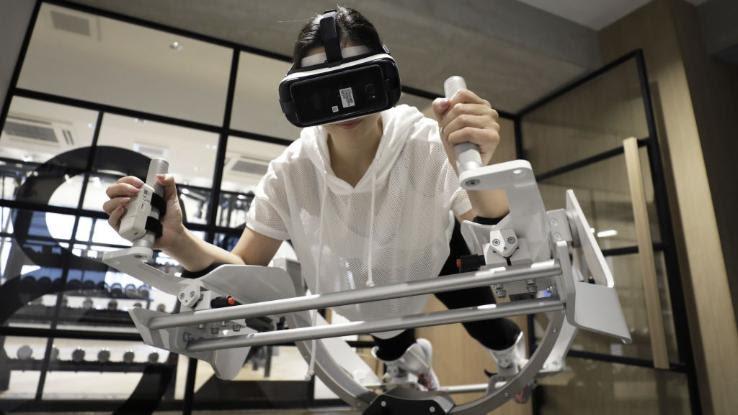
Additionally, the interactive fettle equipment market has flourished throughout quarantine, with companies like Peloton, iFit, and FightCamp offer tech-based solutions that make working out convenient, communal, attainable, and fun — then long as yous have those upfront costs covered. It'southward articulate that gyms volition take to argue with these in-abode competitors, only how?
When it comes to actual in-gym offerings, Cedric Bryant, president and chief science officer of the American Council on Exercise (ACE), told FastCompany that many gyms will too quite possibly shift to dissimilar fitness approaches going frontwards. "Instructors are really trying to create this kind of engaging, about performance-similar experience," Bryant said. "They're getting away from the one-size-fits-all, cookie-cutter arroyo to the more individualized, personalized approach." COVID-19 volition probable have a lasting impact on the hereafter of fitness — one that isn't necessarily a bad thing.
Source: https://www.reference.com/world-view/covid19-gym-memberships-down?utm_content=params%3Ao%3D740005%26ad%3DdirN%26qo%3DserpIndex
0 Response to "Starting to See Results in Gym. Getting Lazy Again"
Post a Comment